



Introduction to the Struggle
Struggling with porn addiction can be a deeply personal and isolating experience, making it difficult to open up about the issue. Many people feel trapped in a cycle of shame and guilt, unsure of how to break free. This secrecy can exacerbate the problem, making it harder to find help and support. Porn addiction is often linked to underlying issues such as stress, anxiety, or low self-esteem, which can be challenging to address on one's own. Understanding the root causes of addiction is crucial to developing effective strategies for recovery, especially when dealing with porn and motivation loss. The National Institute of Mental Health provides valuable insights into the complexities of addiction.
For those seeking help, finding a supportive and non-judgmental environment is essential. A tool like Unlust can offer a sense of accountability and structure, helping individuals stay on track with their recovery goals. By acknowledging the struggle and seeking help, individuals can take the first steps towards a healthier and more balanced life, reducing the impact of porn and motivation loss.
 Photo by Steven Morrissette on Pexels
Understanding the Neuroscience
When we watch porn, our brain releases dopamine, a chemical that makes us feel good. This can lead to a cycle of craving and consumption, as our brain associates porn with pleasure. Over time, this can affect our brain's reward system, leading to porn and motivation loss. The brain's reward system is closely linked to motivation, and when we're consuming porn regularly, it can impact our ability to feel motivated about other things. Our brains can become less responsive to other sources of pleasure, making it harder to find enjoyment in everyday activities. Research from National Institute of Mental Health suggests that changes in brain chemistry can affect our behavior and mood. Understanding how porn affects our brain can help us address underlying issues and develop strategies for change, such as using the Unlust recovery app to track progress and stay accountable, ultimately overcoming porn and motivation loss.
Practical Steps to Recovery
To start making progress, set clear goals for yourself, such as reducing the amount of time spent watching porn or avoiding it altogether. This can help you stay focused and motivated. Tracking your progress can also be helpful. Having a support system in place can be incredibly helpful, whether that's a therapist, support group, or a tool like Unlust. This can provide a sense of accountability and help you stay on track. Understanding the underlying reasons for your porn use can also be beneficial, as it may be linked to underlying issues such as stress, anxiety, or low self-esteem. According to the American Psychological Association, addressing these underlying issues is crucial for long-term recovery from porn and motivation loss.
 Photo by Marta Wave on Pexels
The Role of Technology in Recovery
Technology can be both a hindrance and a help when it comes to overcoming porn addiction. While it provides easy access to porn, it also offers various tools and resources that can aid in recovery. The Unlust recovery app, for example, provides a structured approach to tracking and managing cravings, helping individuals overcome porn and motivation loss. Using technology to track progress and set goals can be incredibly helpful in maintaining motivation. By monitoring progress and identifying patterns, individuals can better understand their addiction and develop more effective strategies for overcoming it. This increased self-awareness can be a powerful tool in the recovery process, especially when dealing with porn and motivation loss. For those struggling with motivation loss, having access to a support system can make all the difference. A tool like Unlust can provide accountability and connection, helping individuals stay on track and motivated throughout their recovery. By leveraging these resources, individuals can work towards a healthier and more balanced life, overcoming the effects of porn and motivation loss. According to the National Institute of Mental Health, addiction is a complex condition that requires a comprehensive treatment approach. While technology is not a replacement for professional help, it can be a valuable supplement to traditional therapy and support groups. By combining these resources, individuals can create a robust recovery plan that addresses their unique needs, including porn and motivation loss.
Common Mistakes to Avoid
When trying to overcome porn addiction, many people set unrealistic expectations for themselves, which can lead to feelings of guilt and shame when they inevitably slip up. This can create a cycle of self-blame and discouragement, making it even harder to stay motivated. Setting achievable goals and being kind to oneself is crucial. Trying to quit cold turkey without a support system or plan can be a recipe for disaster, as it doesn't address the underlying issues driving the addiction. Having a tool like Unlust can provide a sense of accountability and structure, helping individuals stay on track with their recovery from porn and motivation loss.
Focusing solely on willpower and self-control can be misleading, as it overlooks the complex psychological and emotional factors at play. According to the American Psychological Association, understanding the underlying causes of addiction is essential for effective treatment. Being too hard on oneself when experiencing a setback can be detrimental to the recovery process, as it can lead to feelings of hopelessness and despair. Practicing self-compassion and acknowledging that setbacks are a normal part of the process can help individuals stay motivated and focused on their goals, including overcoming porn and motivation loss.
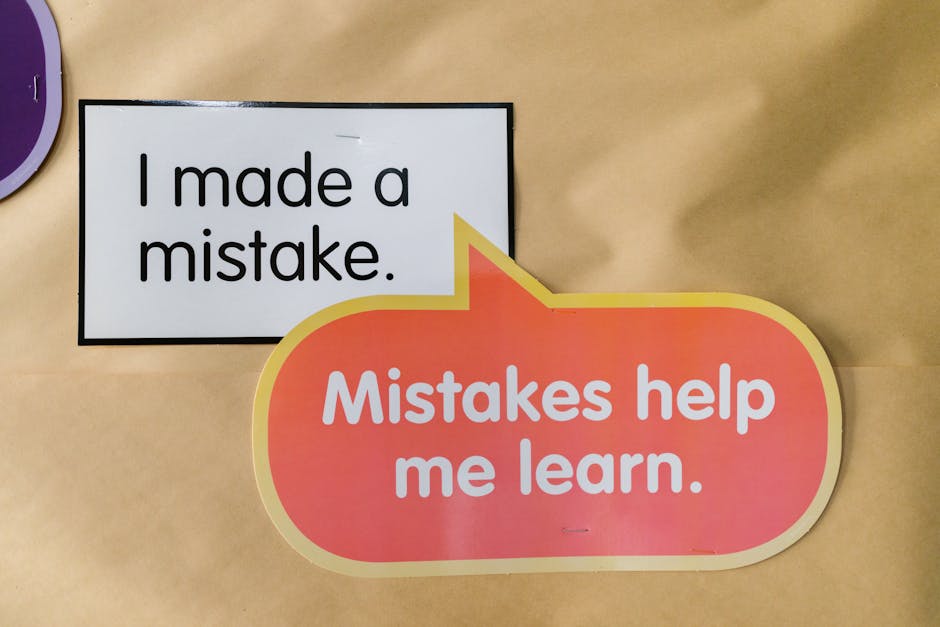 Photo by RDNE Stock project on Pexels
Scientific Insights into Addiction
Addiction is a complex condition that affects the brain's reward system, releasing feel-good chemicals like dopamine in response to certain behaviors. This can lead to a cycle of craving and consumption, making it difficult to stop or reduce the behavior. As a result, the brain becomes dependent on the constant release of dopamine. The brain's prefrontal cortex, responsible for decision-making and impulse control, is often impaired in individuals struggling with addiction. This impairment can lead to poor decision-making and a lack of control over one's actions. Research from the National Institute of Mental Health has shed light on the neurological effects of addiction, including porn and motivation loss. Understanding the science behind addiction can help individuals develop a more compassionate and realistic approach to recovery. A tool like Unlust can provide a structured approach to tracking progress and staying accountable, which is essential for overcoming addiction, including porn and motivation loss. By acknowledging the brain's role in addiction, individuals can begin to work with their brain, rather than against it.
Frequently Asked Questions
When trying to break free from porn, many people struggle with feelings of shame and guilt. These emotions can be overwhelming and may lead to a loss of motivation. Understanding that these feelings are common can help individuals regain their footing. People often wonder how to stay motivated during the recovery process. Setting realistic goals and celebrating small achievements can help build confidence and momentum. This approach can also help individuals develop a more positive self-image. For those seeking additional support, the Unlust recovery app offers a structured program to help individuals overcome porn addiction, including porn and motivation loss. By providing a safe and non-judgmental space, individuals can work through their struggles and develop healthier habits. Some individuals may also find it helpful to learn more about the science behind addiction and recovery, which can be found on reputable websites such as the National Institute of Mental Health.
Frequently Asked Questions
Is watching porn linked to motivation loss?
Yes, excessive porn consumption can lead to decreased motivation due to its impact on the brain's reward system and dopamine levels. This can result in a lack of interest in other activities. It's essential to maintain a balance and overcome porn and motivation loss.
How does porn affect dopamine levels?
Watching porn can cause a surge in dopamine, a neurotransmitter associated with pleasure. Over time, this can lead to desensitization, requiring more intense stimuli to achieve the same effect, and potentially affecting motivation, leading to porn and motivation loss.
Can porn addiction lead to depression?
Yes, porn addiction is linked to an increased risk of depression. The shame, guilt, and social isolation associated with porn addiction can contribute to depressive symptoms, including motivation loss.
How can I overcome porn-induced motivation loss?
To overcome motivation loss, it's crucial to set realistic goals, engage in physical activity, and practice self-care. Seeking support from a therapist or counselor can also be beneficial, including addressing porn and motivation loss.
Is it possible to regain motivation after quitting porn?
Yes, quitting porn can help regain motivation. As the brain readjusts to normal dopamine levels, individuals may experience increased energy and interest in other activities, overcoming porn and motivation loss.
What role does self-care play in recovering from porn-induced motivation loss?
Self-care is essential in recovering from porn-induced motivation loss. Engaging in activities that promote physical and emotional well-being, such as exercise, meditation, and socializing, can help regain motivation and overall well-being, including overcoming porn and motivation loss.
How long does it take to recover from porn-induced motivation loss?
The recovery time from porn-induced motivation loss varies from person to person. With consistent effort, support, and self-care, individuals can start to notice improvements in motivation and overall well-being within a few weeks to months, including overcoming porn and motivation loss.